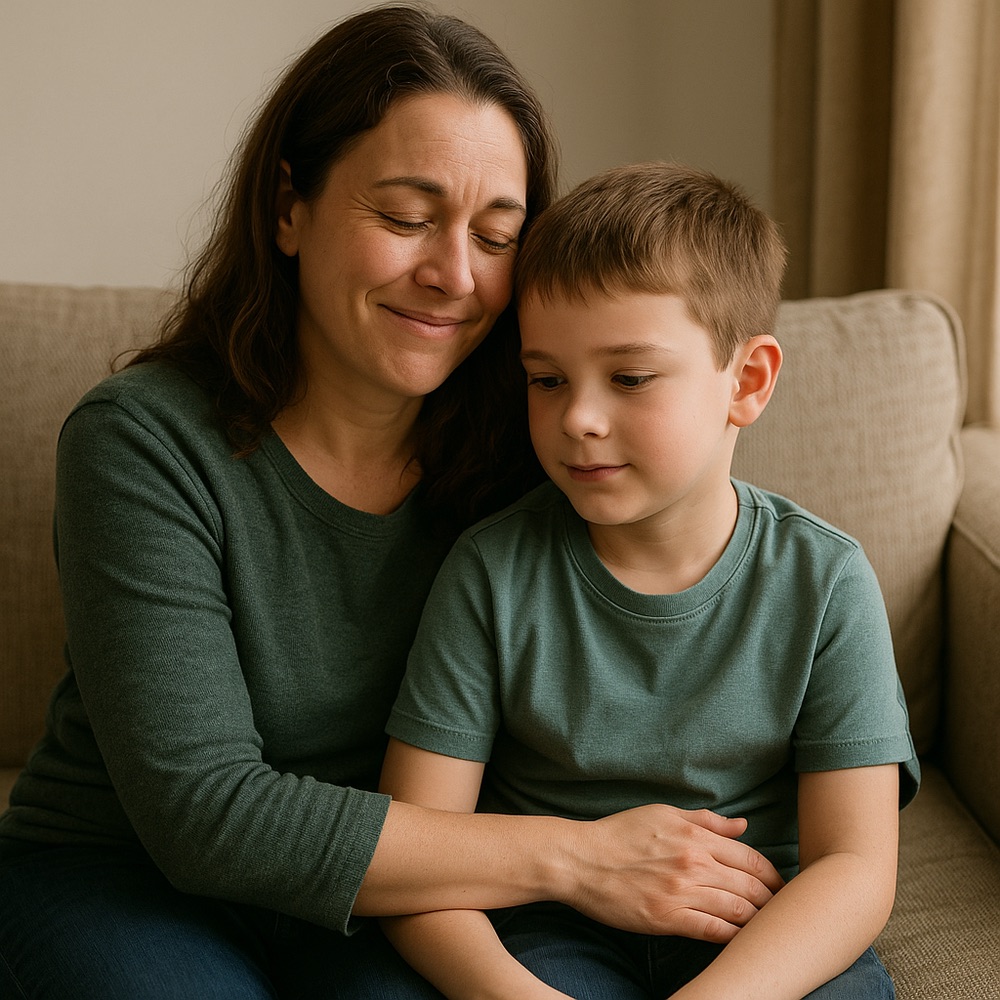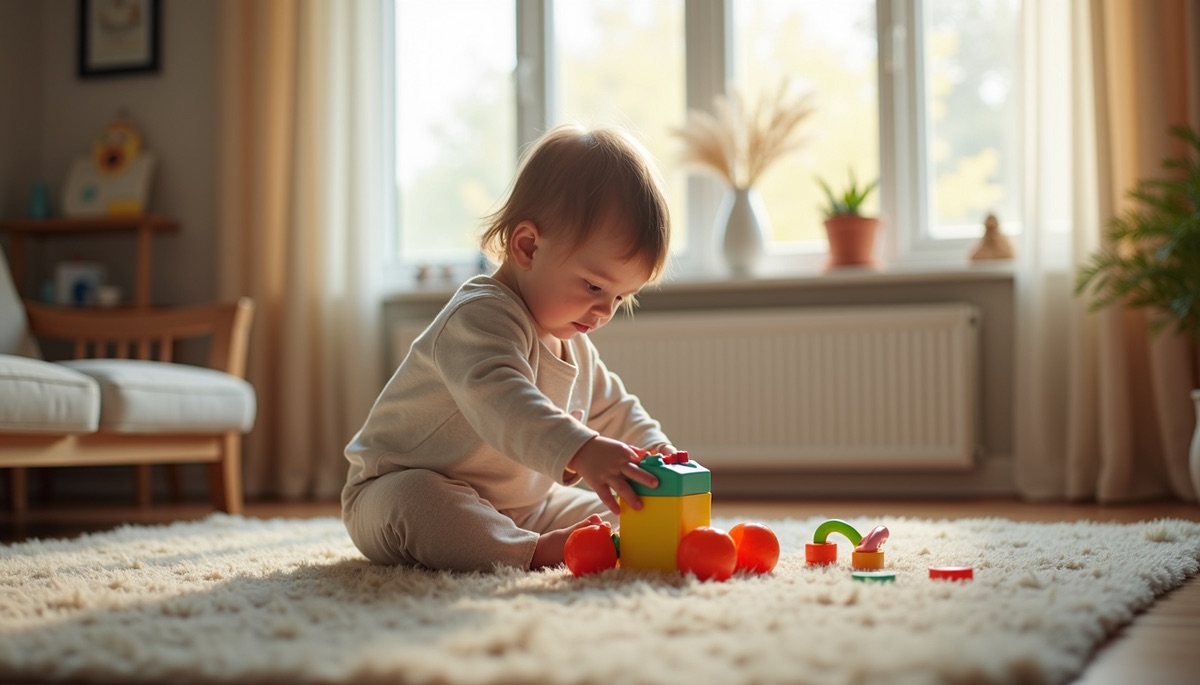
Mid-November marks a turning point in the school year. For many families, the days grow shorter, the weather gets colder, and the usual rhythms of school and therapy face holiday interruptions. These shifts can make daily routines harder to maintain—especially for parents raising children on the autism spectrum. But with understanding and practical strategies, your family can not only endure the winter months but also find a way to thrive.
Winter Challenges & How In-Home ABA Therapy Can Help Families in Queens and Long Island Stay Grounded
As the weather turns colder and the days grow shorter, many families begin to notice subtle but meaningful changes in their children’s well-being. One of the most common challenges during this time is disrupted sleep. The shift in daylight can make it harder for children to settle into bedtime routines, leading to trouble falling asleep or staying rested through the night. This lack of quality sleep often results in more irritability and less focus during the day.
Outdoor playtime also tends to decrease as temperatures drop. When time outside becomes limited, so do opportunities for physical activity and sensory experiences. These are essential for many autistic children to regulate their emotions and energy. Without them, it’s not uncommon for children to feel more restless or overwhelmed.
The holiday season brings its own set of changes. School breaks, therapy cancellations, and unpredictable schedules can throw off the structure children rely on to feel safe. These disruptions can create added anxiety and make daily transitions more difficult.
On top of that, the sensory overload that often comes with the holidays like flashing lights, loud music, crowded places, and unfamiliar gatherings can be especially tough for children with sensory sensitivities. These environments may lead to meltdowns, shutdowns, or withdrawal.
The good news is that recognizing these patterns makes a big difference. Knowing what to expect allows you to plan ahead and respond with patience and flexibility. With the right strategies, your family can feel more prepared, less alone, and better supported throughout the winter months.
Suggested practical tips:
- Review a daily visual schedule each morning.
- Set up a cozy indoor sensory corner with calming items.
- Keep wake-up and bedtime times consistent.
- Use timers or alarms to signal transitions (“in 5 minutes we’ll clean up”).
- Talk through any upcoming changes in the schedule ahead of time.
How In-Home ABA Therapy Supports During Winter
In-home therapy, especially Applied Behavior Analysis (ABA), can be a steady and comforting support during the winter months. When therapy sessions take place at home, children remain in a familiar space where they feel safe and at ease. This consistency is especially helpful for families trying to maintain winter routines for autistic children.
Working in your child’s natural environment allows the therapist to tailor strategies that fit your family’s everyday needs. The skills your child learns are reinforced through real-life situations, making the progress more meaningful and easier to carry into daily routines.
Cold weather and unpredictable conditions often make travel stressful. In-home ABA services remove that burden, helping families avoid cancellations or delays that could disrupt a child’s rhythm. Fewer interruptions mean more consistency, which is key to keeping winter routines for autistic children steady.
Therapists also work closely with parents, offering guidance and encouragement throughout the day. This ongoing collaboration strengthens routines, supports your child’s growth, and builds confidence for your whole family.
A Reliable Partner for Queens & Long Island Families
Here in Queens and Western Long Island, Cove ABA understands the seasonal challenges families face. Our approach offers local, no-waitlist ABA therapy focused on individualized attention and compassionate care.
We work side-by-side with you to develop a plan tailored to your child’s needs and your family’s lifestyle. With steady, caring support, the remainder of the school year can become smoother and more confident for everyone.
If you’re looking for consistent help through the colder months, Cove ABA is here to walk alongside your family. Our in-home therapy model helps keep progress on track—even when routines shift.
Winter can feel long and challenging, but it’s also a season of growth and resilience. Small adjustments can lead to meaningful improvements. Your family’s efforts matter—and support is available every step of the way.